
Home › Industries › Oil & Ghee
Chemicals for the Edible Oil & Ghee Industry
Antioxidants, refining aids, colours and fortificants that keep cooking oil and ghee fresh, clear and nutritious from the refinery to the kitchen.
Oil & Ghee Industry Chemicals Supplier in Pakistan
Cooking oil and ghee are used in almost every Pakistani kitchen, and producers face constant pressure to keep them fresh, stable and consistent. Fats react with oxygen, heat and trace metals, which leads to rancid smells, dark colour and short shelf life.
Humayun Wellchem Trading Concern supplies refineries, banaspati ghee units and margarine manufacturers with the chemicals that protect and improve their products. Here is where each one is used in the process.
Where Our Chemicals Are Used in Oil & Ghee Production
Browse the applications below to see which chemicals are used and what they do. Linked names open the full product page.
Refining & Degumming
Crude oil contains gums and phospholipids that must be removed before bleaching and deodorising. Phosphoric acid and citric acid are used to condition and remove these impurities, and activated clays help with bleaching.
Chemicals used: Phosphoric Acid, Citric Acid, Bentonite
Antioxidant Protection
Antioxidants slow down the oxidation that makes oil and ghee rancid. They are added after deodorising to extend shelf life, especially in hot storage conditions.
Chemicals used: BHA + BHT, Ascorbyl Palmitate, Vitamin E
Metal Chelation
Trace iron and copper speed up oxidation. Chelating agents lock these metals away so the antioxidants can work more effectively.
Chemicals used: Citric Acid, EDTA, Disodium EDTA
Colour of Ghee & Margarine
Natural-looking yellow colour is expected in ghee, banaspati and margarine. Beta carotene provides a warm golden shade and also counts as a source of vitamin A.
Chemicals used: Beta Carotene
Vitamin Fortification
Edible oil and ghee are important carriers for vitamins in Pakistan. Producers fortify them to meet national fortification requirements and to improve nutrition.
Chemicals used: Vitamin A, Vitamin E, Beta Carotene
Margarine & Bakery Fats
Emulsifiers keep water and fat evenly mixed in margarine and shortening, prevent spattering during frying and give bakery fats a smooth, workable texture.
Chemicals used: Soya Lecithin, Glycerol Monostearate, Stearic Acid, Potassium Sorbate
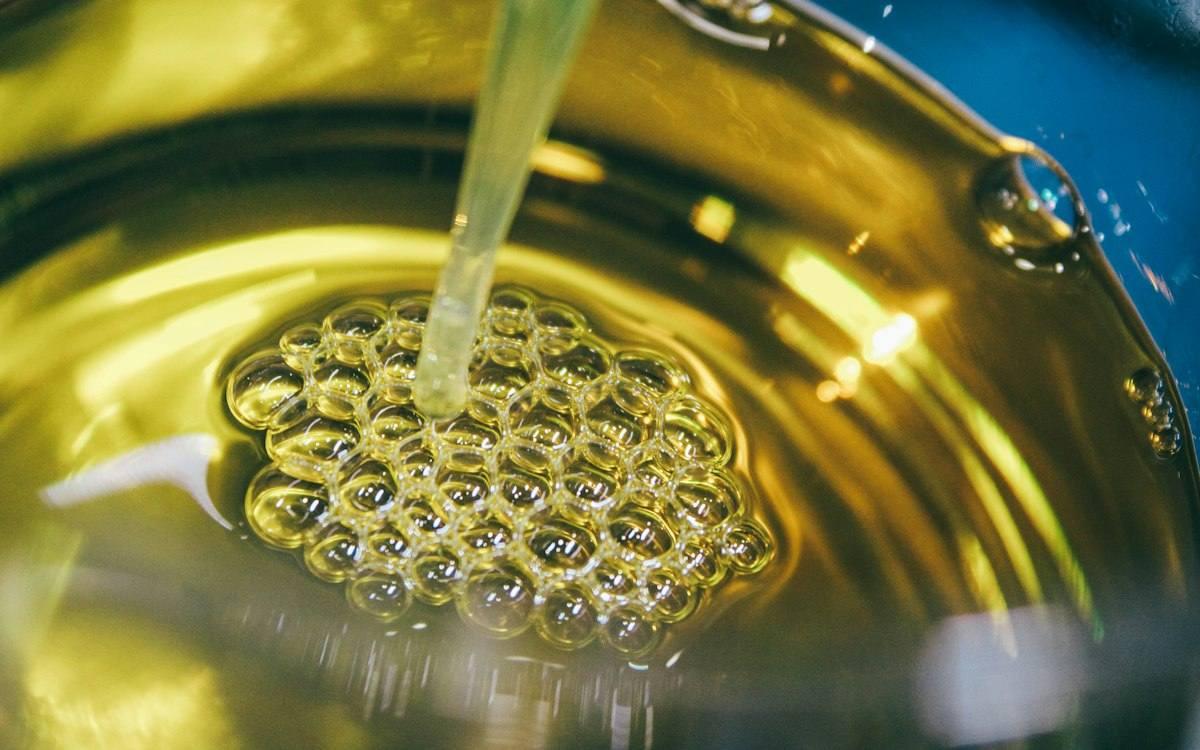
Why Oil Goes Rancid, and How to Slow It
Oxidation starts the moment refined oil meets air. Heat, light and trace metals speed it up. The most effective protection combines three steps: remove metals with a chelating agent like citric acid, add an antioxidant such as BHA, BHT or ascorbyl palmitate, and store the product away from heat and light. Using the right combination can add months to the usable life of cooking oil and ghee.
Quick Reference: Chemicals by Function
| Function | HWTC chemicals | Typical use |
|---|---|---|
| Degumming acids | Phosphoric Acid, Citric Acid | Crude oil refining |
| Bleaching aids | Bentonite | Removing colour and impurities |
| Antioxidants | BHA + BHT, Ascorbyl Palmitate, Vitamin E | Cooking oil, ghee, shortening |
| Chelating agents | Citric Acid, EDTA | Oil stability after refining |
| Colours | Beta Carotene | Ghee, banaspati, margarine |
| Fortificants | Vitamin A, Vitamin E | Fortified oil and ghee |
| Emulsifiers | Soya Lecithin, Glycerol Monostearate | Margarine, bakery fats |
Degumming acids
Phosphoric Acid, Citric Acid
Used in: Crude oil refining
Bleaching aids
Bentonite
Used in: Removing colour and impurities
Antioxidants
BHA + BHT, Ascorbyl Palmitate, Vitamin E
Used in: Cooking oil, ghee, shortening
Chelating agents
Citric Acid, EDTA
Used in: Oil stability after refining
Colours
Beta Carotene
Used in: Ghee, banaspati, margarine
Fortificants
Vitamin A, Vitamin E
Used in: Fortified oil and ghee
Emulsifiers
Soya Lecithin, Glycerol Monostearate
Used in: Margarine, bakery fats
Consistent Colour and Nutrition
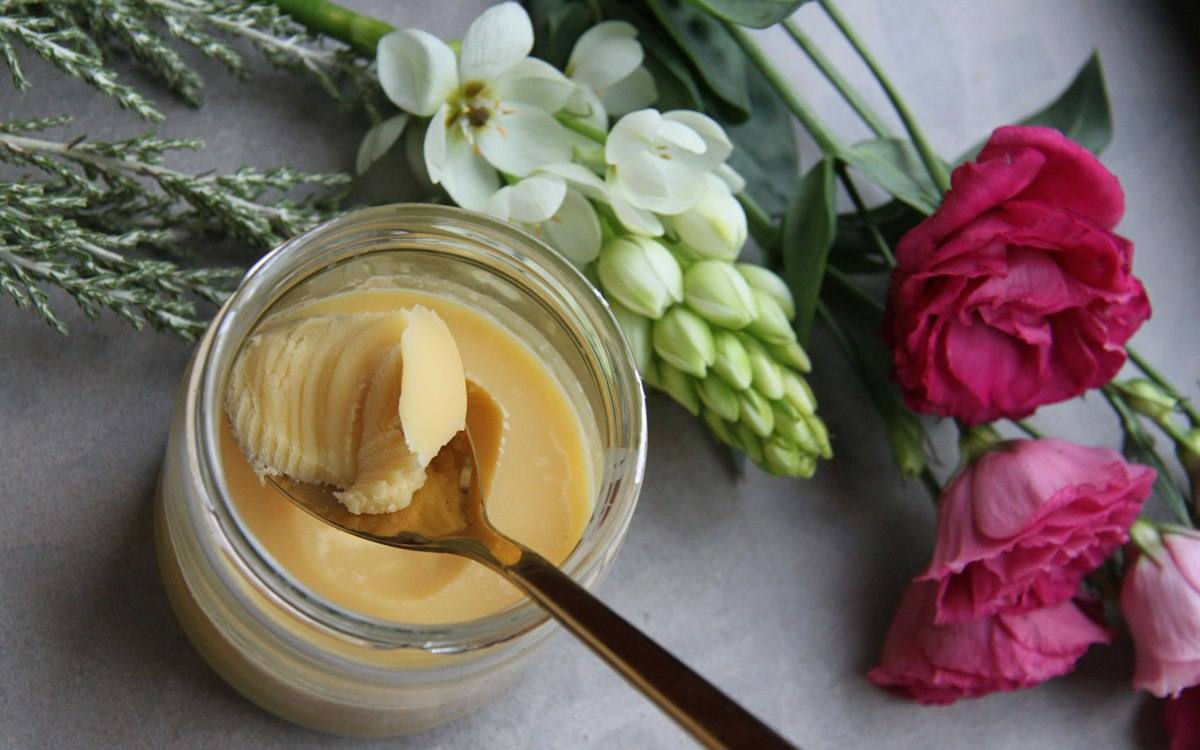
Customers judge ghee by its colour and aroma before they taste it. Beta carotene gives a stable, natural golden colour and doubles as a provitamin A source. Paired with vitamin fortification, it helps producers meet both consumer expectations and nutrition standards. Our team can help you plan dosages for your batch sizes.
Why Oil & Ghee Producers Choose HWTC
Global sourcing
Specialty chemicals sourced from established manufacturers worldwide, so you receive a consistent specification with every order.
One supplier, 13 categories
Preservatives, acidulants, emulsifiers, sweeteners, colours, phosphates, minerals and more from a single, reliable partner.
Supplying all of Pakistan
Based in Muslim Town, Lahore, and delivering to manufacturers in cities across the country.
Application support
Tell us your product and process and our team will help you choose the right chemical and grade.
Frequently Asked Questions
Why is citric acid added to cooking oil?
Citric acid binds trace metals such as iron and copper that speed up oxidation. It is used during degumming and again after deodorising to improve the oil’s stability and shelf life.
Which antioxidant is best for ghee?
BHA and BHT are widely used in ghee and vanaspati because they remain effective at frying temperatures. Ascorbyl palmitate and vitamin E are options for producers looking for vitamin-based antioxidants. Usage must follow applicable food regulations.
How does beta carotene colour ghee?
Beta carotene is a fat-soluble pigment that gives a natural yellow to golden colour. It disperses evenly in oil and fat and also supplies provitamin A.
Do you supply refineries in bulk?
Yes. HWTC supplies oil and ghee producers across Pakistan. Share your monthly requirement and we will confirm packing and delivery options.
Need Chemicals for Your Oil & Ghee Business?
Share your product list, grade and monthly quantity. Our Lahore team will get back to you with availability and a quotation.
Other Industries We Serve
Usage levels of food, pharmaceutical and feed additives must comply with the regulations that apply to your product. Contact us for grade-specific information.